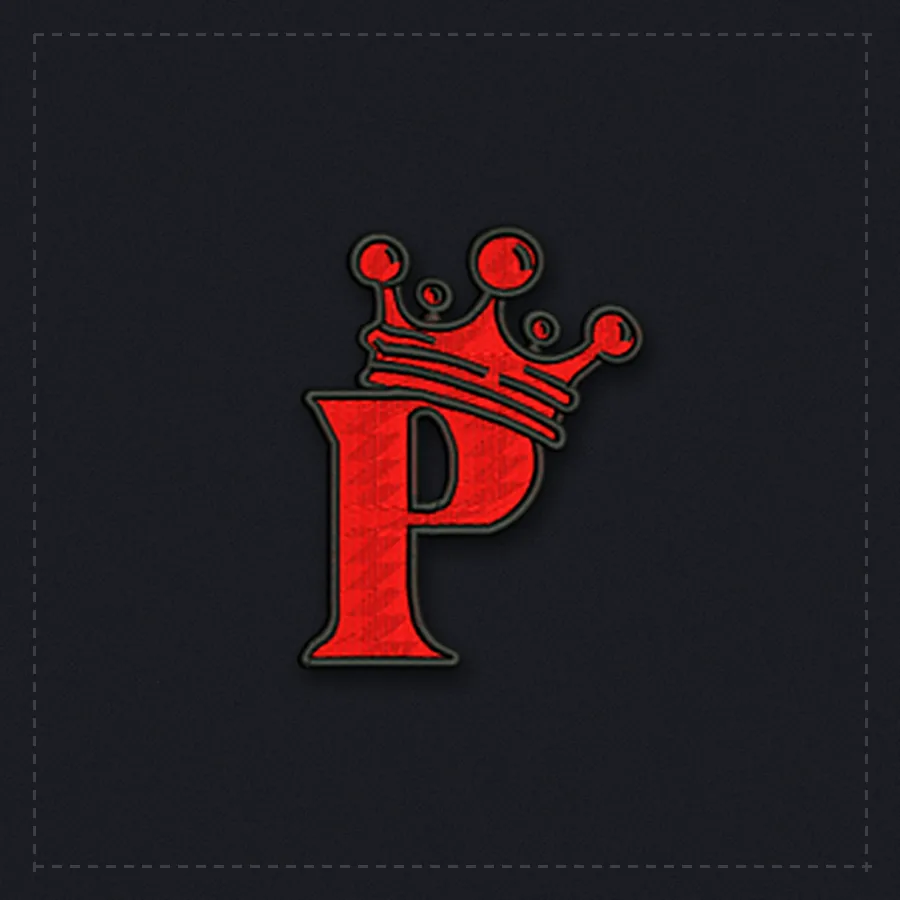
What Is Embroidery Digitizing? A Plain-English Guide
The short answer
Embroidery digitizing is the process of converting artwork into a stitch file that an embroidery machine can follow. A logo on your screen is made of pixels or vector shapes. A machine needs something different: a list of stitch positions, stitch types, thread colors and the order to sew them in.
What happens during digitizing
A digitizer opens your artwork in embroidery software and rebuilds it using stitches instead of pixels. For each part of the design they decide how it should be sewn.
Large areas usually get fill stitches. Borders and lettering get satin stitches. Thin details use run stitches. Then they set density, underlay, direction and the sewing sequence so the design stitches cleanly on the fabric you will use.
Why auto-digitizing often disappoints
Auto-digitizing software converts an image in seconds, but it cannot judge which details matter. Results often have too many stitches, bad lettering and too many trims. A manual file takes more time but stitches faster and looks better.
What affects quality
Fabric matters because stretch and thickness change how stitches sit. Size matters because small text needs different settings than large shapes. Machine type matters because file formats differ. Good digitizing accounts for all three.
How to get started
Send the clearest version of your logo, tell us the size, the placement and the fabric, and choose your machine format. We reply with a quote, then deliver the file by email.
Related